
Simple Ways to Organize Your Entryway for a Clutter-Free Home
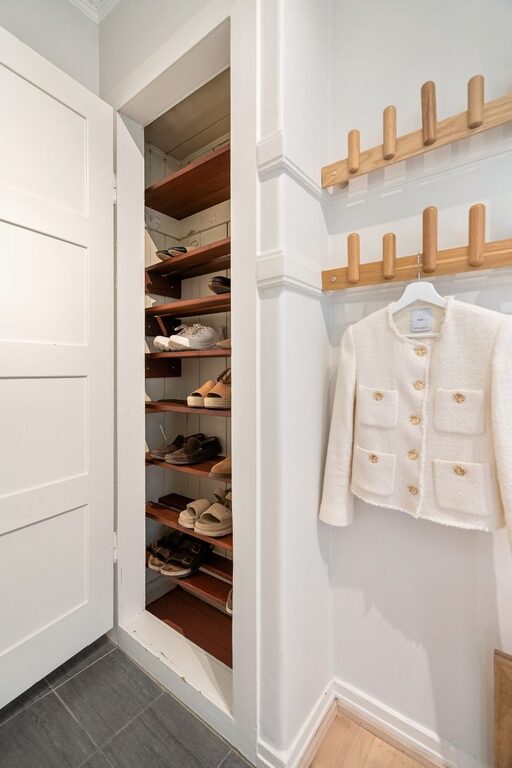
Your entryway is the first space guests see when they step into your home, and it often sets the tone for the rest of your living space. Unfortunately, entryways can quickly become cluttered with shoes, coats, bags, and miscellaneous items, making the area feel chaotic and uninviting. Fortunately, with a little planning and some simple strategies, you can create an organized, functional entryway that welcomes you home and makes daily routines smoother.
In this post, we’ll explore practical ways to organize your entryway, focusing on storage solutions, décor tips, and habits that keep the area tidy.
Why Organize Your Entryway?
Before diving into practical steps, it’s helpful to understand the benefits of an organized entryway:
– Creates a welcoming space: A tidy entrance makes a positive impression on visitors.
– Improves daily routines: Having a designated spot for keys, shoes, and coats saves time and reduces stress.
– Maximizes small spaces: Smart organization can make even a small entryway functional and attractive.
– Reduces clutter spreading: Containment zones prevent mess from spreading throughout the house.
Now, let’s explore easy ways to achieve these benefits.
1. Start with a Clear-Out
Before adding any storage or décor, take time to clear out the entryway. Remove everything that doesn’t belong or is rarely used. This clean slate allows you to see what you actually need to organize and helps avoid overcrowding the area with unnecessary items.
Tips for clearing out:
– Sort items into categories: keep, relocate, donate, or toss.
– Remove seasonal items not currently in use.
– Clean the space thoroughly to start fresh.
2. Define Zones for Different Needs
A well-organized entryway often has “zones” dedicated to specific tasks or storage needs. This helps keep everything in its place and easy to find.
Common zones include:
– Shoe zone: A designated area for footwear to keep floors clear.
– Coat and bag zone: Hooks or racks for coats, hats, backpacks, and purses.
– Drop zone: A surface or basket for keys, mail, sunglasses, and other small daily items.
– Seating zone: A bench or chair for putting on or removing shoes comfortably.
3. Use Vertical Storage to Save Floor Space
Entryways are often small, so using vertical space can make a big difference. Wall-mounted shelves, hooks, and cubbies keep items off the floor and within easy reach.
Ideas for vertical storage:
– Install a row of hooks or pegs for coats and bags.
– Add floating shelves for decorative baskets or bins.
– Use a pegboard to customize hanging storage for different items.
4. Incorporate Functional Furniture
Choosing the right furniture can turn your entryway into an efficient and stylish space.
Furniture options to consider:
– Entryway bench with storage: Provides seating and hidden compartments for shoes or accessories.
– Console table with drawers: Offers a surface for mail and keys plus concealed storage.
– Storage cubes or lockers: Great for families to keep shoes, hats, and sports gear organized.
5. Use Baskets and Bins to Contain Small Items
Small items like gloves, scarves, and dog leashes easily get lost or clutter a space. Using baskets or bins helps keep these items tidy and easy to locate.
Tips for using baskets and bins:
– Label them clearly to encourage consistent use.
– Choose styles that complement your décor, such as woven baskets for a cozy feel.
– Place them on shelves or under benches for easy access.
6. Keep Frequently Used Items Accessible
Put items you use daily in spots you can quickly grab them. This saves time and reduces frustration.
Examples include:
– Keys on a hook near the door or in a small bowl on a table.
– Shoe tray or mat for shoes you wear regularly.
– Mail holder on the wall or console to keep incoming letters organized.
7. Add a Mirror for Function and Style
A mirror near the entryway adds both function and aesthetic appeal. It lets you check your appearance before heading out and helps make the space feel bigger and brighter.
Placement tips:
– Hang the mirror at eye level.
– Choose a size appropriate to the space; a large mirror can create the illusion of more space.
– Consider a framed mirror that complements your entryway décor style.
8. Establish Entryway Habits to Maintain Order
Organization doesn’t stop with setting up the space—it requires good habits to maintain it.
Helpful habits:
– Make it a routine to put items back in their designated spot daily.
– Encourage family members to use the same drop zones.
– Regularly declutter the area to prevent accumulation of unwanted items.
– Clean the entryway weekly to keep it fresh and inviting.
9. Personalize Your Space with Decorative Touches
While organization is key, adding personal touches makes the entryway feel warm and welcoming.
Ideas for personalization:
– Display artwork or family photos.
– Use a stylish rug that defines the area.
– Include greenery or flowers to bring life to the space.
– Select storage pieces that reflect your décor style.
10. Use Technology to Stay Organized
Consider apps or smart home features to stay on top of things related to your entryway.
Suggestions:
– Use reminder apps for keys or wallet if you tend to forget them.
– Install smart lighting that turns on automatically when you enter.
– Use a digital calendar or task manager to track errands or mail-related chores.
—
Final Thoughts
Organizing your entryway doesn’t have to be overwhelming. By starting with a clear space, defining zones, using smart storage solutions, and maintaining good habits, you can create a welcoming and practical area that simplifies your daily routine. Remember, an organized entryway is not just about looks—it’s about making your home function better from the moment you walk in the door.
Try a few of these tips today and enjoy the benefits of a clutter-free, inviting entryway!
Related Post
How to Organize Cables and Chargers Neatly: Easy Tips for a Tidy Space
Keep your cables and chargers neat and accessible with simple organizing tips that reduce clutter [...]