
Simple Ways to Reduce Noise at Home for a Peaceful Environment
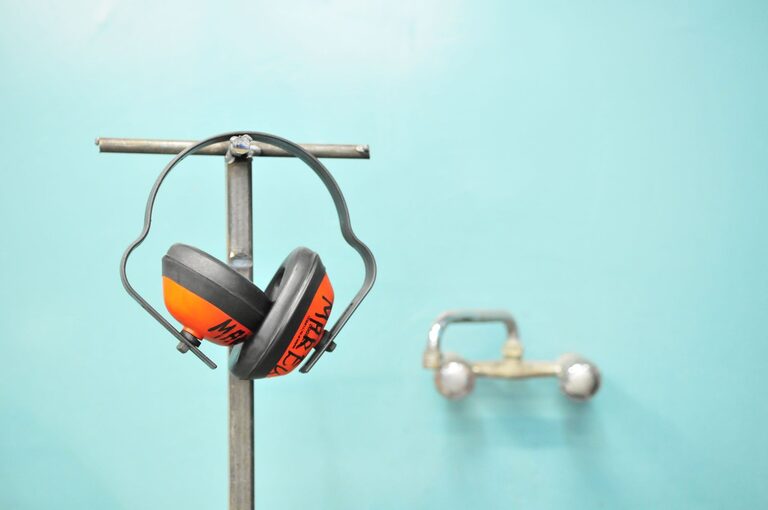
Creating a peaceful home environment is important for relaxation, focus, and overall well-being. Whether you live in a busy urban area, an apartment building, or just want to minimize noise disturbances indoors, there are simple and affordable ways to reduce noise at home. This guide covers practical tips and techniques that anyone can apply to create a quieter living space.
Understanding Noise and Its Impact
Noise refers to unwanted sound that can interfere with daily activities like sleeping, working, or spending time with family. Common noise sources at home include:
– Traffic and street noise
– Loud neighbors or shared walls
– Appliances and electronics
– Footsteps and household activities
Reducing noise improves sleep quality, lowers stress levels, and enhances concentration. The good news is that even small changes can make a big difference.
Simple Ways to Reduce Noise at Home
1. Use Soft Furnishings to Absorb Sound
Sound bounces off hard surfaces such as walls, floors, and ceilings. Adding soft materials helps absorb noise and reduce echoes.
– Rugs and Carpets: Place rugs or carpets on hardwood or tile floors to dampen footsteps and airborne sounds.
– Curtains and Drapes: Heavy curtains over windows can block outside noise and improve insulation.
– Cushions and Upholstered Furniture: Sofas, chairs, and throw pillows made from soft fabrics help absorb sound waves.
2. Seal Gaps and Cracks
Noise can enter through small gaps around doors, windows, and walls. Sealing these openings prevents sound from leaking in.
– Weatherstripping: Apply weatherstripping tape around door frames and window sashes.
– Door Sweeps: Install door sweeps at the bottom of doors to block sound from hallways or exterior areas.
– Caulking: Use caulk to fill cracks in walls or around window frames.
3. Add Soundproofing Elements
For more effective noise reduction, consider adding some soundproofing materials.
– Acoustic Panels: These panels absorb sound and reduce noise reflections. They can be mounted on walls or ceilings.
– Bookshelves: Filled bookshelves act as natural sound barriers.
– Mass Loaded Vinyl (MLV): A dense material that blocks sound transmission, often used behind drywall or under flooring.
4. Rearrange Furniture Strategically
Where you place your furniture can influence how sound travels.
– Position large furniture like sofas or bookcases against shared walls to act as sound buffers.
– Avoid placing beds or desks near noisy windows or walls.
5. Manage Appliance and Electronic Noise
Household devices can contribute to background noise.
– Choose quieter models when buying appliances.
– Place noisy devices like washing machines or speakers on vibration-absorbing pads.
– Turn off or mute electronics when not in use.
6. Use White Noise or Sound Machines
Sometimes completely blocking out noise is difficult. White noise machines or apps can mask disruptive sounds by creating a consistent ambient sound.
– Fans or air purifiers can double as noise generators.
– There are smartphone apps with soothing sounds designed to improve focus or sleep.
Additional Tips for Specific Areas
Reducing Noise in Bedrooms
– Invest in thick curtains or blackout blinds.
– Use door draft stoppers to keep hallway noise out.
– Choose a comfortable mattress and bed frame that doesn’t creak.
Minimizing Noise in Living Rooms
– Arrange rugs under coffee tables.
– Add wall art with fabric backing to absorb sound.
– Incorporate plants, which can help soften noise.
Soundproofing Home Offices
– Use room dividers or screens to separate the workspace.
– Place a thick rug under the desk area.
– Consider noise-canceling headphones for extra focus.
When to Consider Professional Help
If noise problems persist despite these efforts, consulting a professional soundproofing expert might be necessary. They can assess your home’s structure and recommend solutions such as installing double-glazed windows or specialized insulation.
Final Thoughts
Reducing noise at home doesn’t have to be complicated or expensive. By combining soft furnishings, sealing gaps, rearranging furniture, and using simple soundproofing techniques, you can create a more peaceful and enjoyable space. Start with small changes and notice how much more comfortable your home feels.
Enjoy the calm!