
Desk Setup Tips for Focus and Comfort
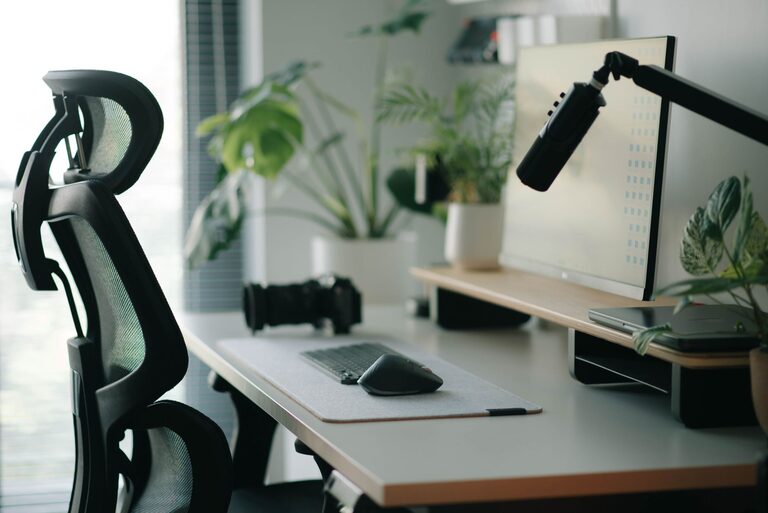
Creating a desk setup tailored for focus and comfort can transform your workday. Whether you’re working from home, studying, or managing personal projects, an organized and ergonomic workspace helps reduce distractions and fatigue. In this post, we’ll explore practical tips to arrange your desk so it supports both your productivity and well-being.
Why Your Desk Setup Matters
A well-thought-out desk setup is more than just aesthetics. It influences how long you can work effectively, how comfortable you feel, and how easily you can concentrate. Poor ergonomics and clutter can cause discomfort, stress, and loss of focus over time.
Choosing the Right Desk and Chair
Desk Height and Size
Your desk should be at a height where your elbows bend at about a 90-degree angle when typing. This usually means a desk height around 28-30 inches, but it varies based on your height. Also, make sure the desk surface is large enough to hold your computer, notebooks, and any essential tools without feeling cramped.
Chair Support
Invest in an adjustable chair that supports your lower back. Look for features such as lumbar support, adjustable height, and armrests. Sitting comfortably with your feet flat on the floor and knees at about a 90-degree angle will help prevent strain.
Position Your Monitor Correctly
Place your monitor directly in front of you, about an arm’s length away. The top of the screen should be at or slightly below eye level to avoid neck strain. If you use a laptop, consider a laptop stand or external monitor to achieve the proper height.
Organize Your Desk for Efficiency
Declutter
Keep only the items you use daily on your desk. Store less frequently used supplies in drawers or shelves. This reduces visual distractions and frees up space.
Use Desk Organizers
Pen holders, trays, and small containers help keep stationery items tidy. Cable organizers prevent cords from tangling and cluttering your workspace.
Keep Essentials Within Reach
Arrange items like your phone, notepad, or water bottle nearby to avoid unnecessary movement that can disrupt your focus.
Optimize Lighting for Comfort
Good lighting reduces eye strain and keeps you alert. Whenever possible, position your desk near a window for natural light. Supplement with a desk lamp that offers adjustable brightness and color temperature to suit different times of the day.
Add Personal Touches Mindfully
Decorate your desk with a few items that inspire or relax you, such as a small plant, a picture frame, or motivational quotes. Avoid overloading your space to maintain a clean and calm environment.
Maintain Good Posture and Take Breaks
Even with the best setup, staying in one position for too long can cause fatigue. Sit upright, keep your shoulders relaxed, and take short breaks every hour to stretch or walk around.
Use Technology to Aid Focus
Consider apps that help minimize digital distractions, like website blockers or focus timers. Noise-canceling headphones or soft background music can also improve concentration if you work in a noisy environment.
Regularly Reassess and Adjust Your Setup
Your needs might change over time, so revisit your desk layout periodically. Adjust your chair, monitor, or desk accessories to optimize comfort and efficiency as you discover what works best for you.
—
By following these tips, you can create a desk setup that supports your focus and comfort throughout the day. A well-organized, ergonomic workspace not only improves productivity but also contributes to your overall well-being. Start with small changes and build a desk environment where you enjoy spending time and getting things done.