
How to Store Seasonal Clothes Efficiently: Tips and Tricks
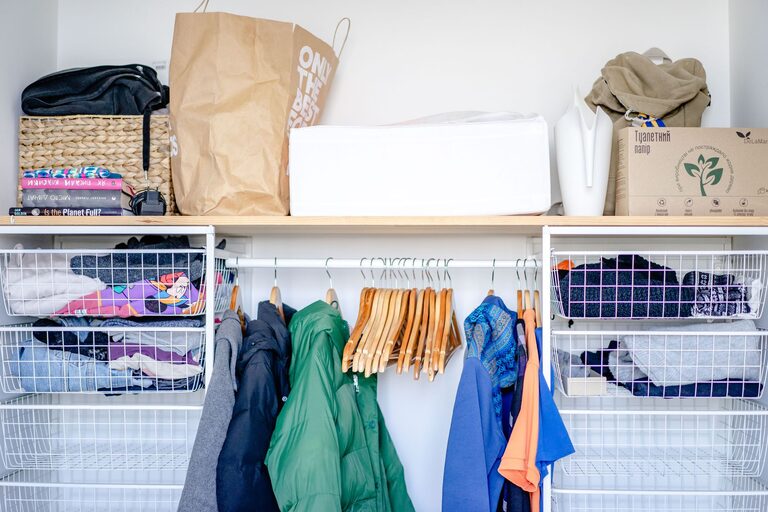
Storing seasonal clothes efficiently can save space, protect your garments, and make it easier to find what you need when the seasons change. Whether you’re packing away winter sweaters or summer dresses, proper storage helps keep your clothes in good shape and your home clutter-free. In this post, we’ll explore practical tips and methods for storing seasonal clothes efficiently.
Why Proper Storage Matters
Seasonal wardrobes often mean swapping out bulky coats or light tank tops several times a year. Without proper storage, clothes can become wrinkled, stained, or damaged by pests and moisture. Efficient storage also improves organization, so you spend less time searching for your favorite pieces.
Preparing Clothes for Storage
Clean Everything First
Before packing away your clothes, always wash or dry clean them. Dirt, oils, and stains can attract insects and cause fabric to deteriorate if left untreated. Make sure garments are completely dry to prevent mold or mildew growth.
Repair and Sort
Check for missing buttons, loose threads, or small tears and fix them before storing. Sort clothes by type, season, or how often you wear them. This makes it easier to grab what you need when the seasons change.
Choosing the Right Storage Solutions
Use Breathable Containers
Opt for breathable fabric storage bags, cotton bins, or canvas containers instead of plastic bags. Breathable materials help prevent moisture buildup and keep clothes fresh.
Clear Plastic Boxes
If you prefer plastic, choose clear boxes with airtight lids. Ensure they have ventilation holes or use moisture absorbers inside to reduce humidity.
Vacuum-Sealed Bags
Vacuum-sealed bags save space by compressing bulky items like sweaters and jackets. However, be careful with delicate fabrics, as excessive compression can damage fibers over time.
Under-Bed Storage
Utilize under-bed storage containers for off-season clothes. This hidden storage space keeps items out of the way but still easily accessible.
Tips for Efficient Organization
Label Everything
Label boxes and bags clearly with contents or categories. This saves time when you want to locate specific items.
Use Dividers
Inside larger bins, use dividers or smaller containers to separate items such as scarves, hats, or gloves.
Fold Clothes Properly
Fold clothes neatly and stack them to minimize wrinkles and maximize space. Use tissue paper between delicate items to reduce friction.
Hang When Necessary
For garments prone to wrinkles, use padded hangers and cover them with breathable garment bags. Avoid wire hangers that can distort shape.
Protecting Clothes from Pests and Damage
Use Natural Repellents
To keep moths and insects away, include natural repellents like cedar blocks, lavender sachets, or dried rosemary in storage containers.
Avoid Direct Sunlight
Store clothes in a cool, dark place away from direct sunlight, which can fade fabrics.
Maintain Air Circulation
Ensure storage areas have good ventilation. Avoid tightly sealed spaces where moisture can build up.
Seasonal Storage Locations to Consider
Closets
Unused closets are perfect for storing seasonal clothes if there’s enough room. Use vacuum bags or fabric bins to keep clothes organized.
Attic or Basement
If you use attics or basements, be mindful of temperature and humidity fluctuations that can damage clothes. Use moisture absorbers and airtight containers.
Storage Furniture
Storage ottomans, benches, or trunks can double as seating and space for seasonal garments.
When It’s Time to Rotate Clothes
Set reminders to rotate your wardrobe every season. When you bring clothes back into use, inspect them for any damage or stale smells. Freshen them up with a quick airing or light washing before wearing.
—
By following these simple yet effective tips, you can store your seasonal clothes efficiently, keep them looking their best, and make your home more organized. Proper storage not only protects your investment in clothing but also saves you time and stress during wardrobe transitions. Happy organizing!